

How We Evaluate Men's Supplements
The same five checks we run on every supplement page we publish. Read them once and you can run them yourself, in a store, against any bottle in front of you.
What this evaluation covers — and what it does not
This page explains the editorial criteria Bold Momentum uses to review and compare men's health supplements. It is written to be read alongside our product pages, so you can see how we reach a judgment and apply the same questions yourself.
Nothing here is a ranking of brands. It is the standard we hold product information to before we publish it, and it applies the same way whether the formula comes from a pharmacy shelf in Jakarta or an online listing.
Inside the scope
- How we read a supplement label
- How we assess a product's positioning
- Format, and whether it fits daily use
- Category norms for herbal and vitamin formulas
Outside the scope
- Medical advice or dosing guidance
- Scores that rank one product above another
- Outcome claims of any kind
- Paid placements or sponsored verdicts
The evaluation is editorial, not clinical. It exists so that readers can trace how we formed a view. If a product page on this site ever reads as a verdict, that is a mistake on our side, not the shape of the method.
Ingredient list versus the claim

Vitality formulas and herbal ingredients
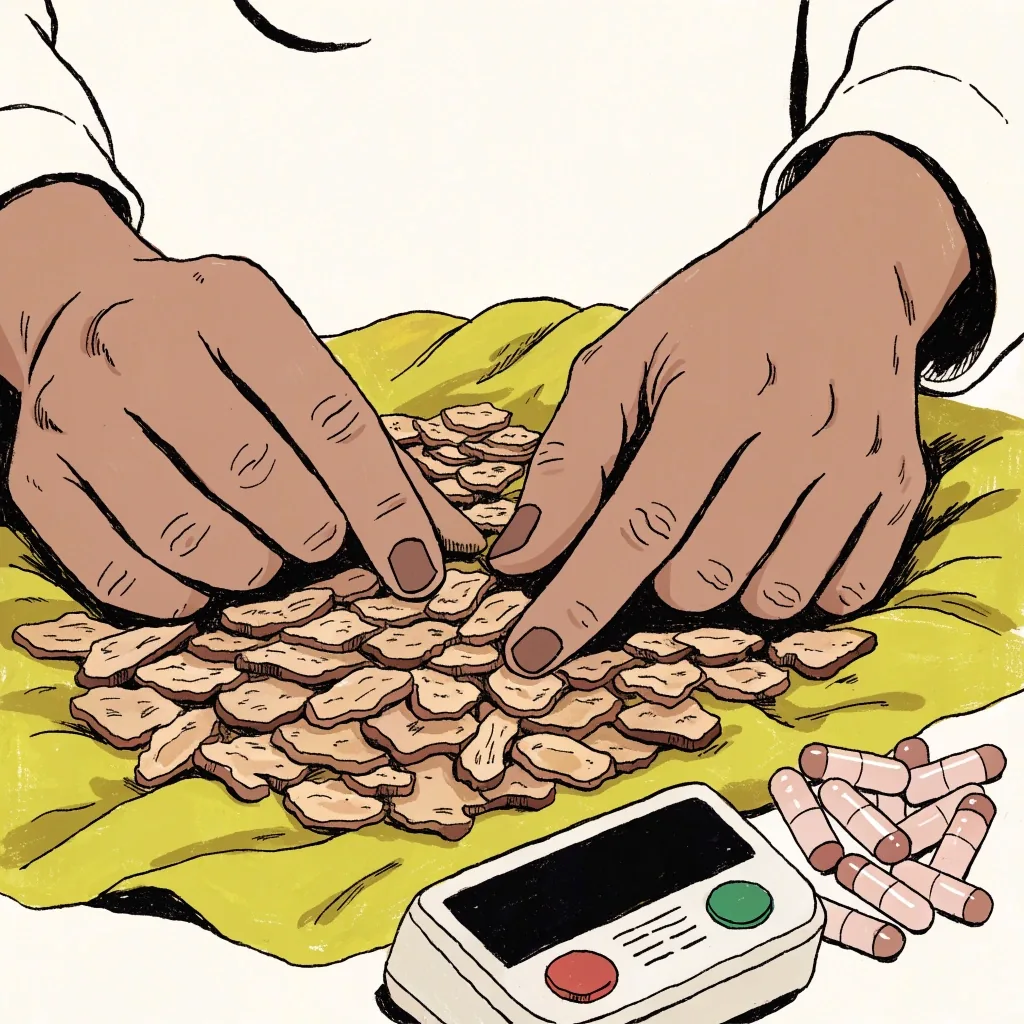
A formula positioned for vitality should contain herbs associated with that positioning — pasak bumi, Panax ginseng, tongkat ali. When the contents and the claim point in different directions, we say so plainly on the product page.
Checked on every herbal listing

General wellness formulas and nutrients
Zinc, magnesium, lycopene
Where the mismatch shows up
Contents first, then the claim

How we report what we find
Plain language, no verdict
Format, category and positioning
Three checks that work together. Format tells you how the product intends to be used. Category tells you what job it claims. Positioning tells you whether the product page stays inside what that category normally does.
Check two — format fit
Capsules and tablets built for daily intake, like a 120-capsule bottle such as Naturelo's, suggest a long-term routine. A product designed for once-daily use should say so clearly. If the format and the intended use do not line up, that is worth noting for readers.
- Capsule or tablet count versus daily serving
- One-a-day versus split-dose instructions
- Powder, softgel or capsule — and why
Check three — category clarity
Herbal vitality formulas and vitamin-mineral formulas do different jobs, and a strong product page is clear about which one it sells. NATURELINE Men's Health, for example, is positioned as a herbal men's vitality product with four herbs in its formula, not as a basic vitamin.
- Does the page name its own category?
- Are the lead ingredients consistent with it?
- Is the daily-use intent stated or implied?
Check four — positioning versus category norms
GNC Mega Men is a broad men's vitamin and mineral formula sold through GNC Live Well Indonesia for active men, and its page lists vitamin C among its nutrients, consistent with a general wellness product. When positioning matches category norms, we treat it as a good sign. When it overreaches, we flag it — the same way we would flag an herbal formula that suddenly borrows vitamin language.
Label sourcing and transparency
Some products make their sourcing part of the pitch. Naturelo's One Daily Multivitamin for Men is marketed as vegan-friendly, plant-based and whole-food, which is a specific, checkable claim.
We note when a product commits to a sourcing position, and whether its label is transparent about what is inside. Transparency is one of the traits that separates a considered product page from a vague one — and it is the easiest of the five checks to run yourself, because it lives entirely on the packaging in your hand.

Five formats, one row, no labels. Sourcing claims are checkable on paper; format and contents are what we compare across a category.
What we deliberately don't do
We don't publish invented scores, star ratings, or clinical proof we can't support. We don't present before-and-after narratives or fabricated reviews. We don't claim a supplement cures, treats or prevents anything.
And we don't rank products as number one or best, because those labels usually say more about marketing than about contents. If a claim lacks a basis in the product's own information, it doesn't appear on our pages.
Why these criteria matter to you
Criteria are only useful if readers can borrow them. Next time you're standing in a store comparing two bottles, run the same five checks in order:
-
1
Does the ingredient list match the claim?
Read the herbs or nutrients first, then the front-of-bottle promise. They should point in the same direction.
-
2
Is the format built for daily use?
Capsule count and serving size tell you whether the bottle is meant to sit on your shelf for a routine or arrive as a short experiment.
-
3
Is the category clear?
Herbal vitality product, or vitamin and mineral formula? A page that names its own category has usually thought about it.
-
4
Does the positioning stay within normal bounds?
If the copy starts borrowing language from a different category entirely, treat that as a signal to slow down and re-read the label.
-
5
Is the sourcing transparent?
Vegan, plant-based, whole-food: each is a specific claim you can check against the ingredient panel before you spend money.
That's the whole method. It's how we evaluate men's health supplements, and it's how you can too. Nothing on our product pages should require an ingredient we can't explain or a claim we can't trace back to the product's own information.

Before you buy
Dietary supplements are not medicines. If you take prescription medication, are managing a health condition, or are unsure whether a formula suits you, talk to a qualified health professional before adding it to your routine. Our pages describe ingredients, format and positioning — not outcomes.
Questions we get about the method
Three things readers ask most often after reading a comparison page. If something is still unclear, the editorial team is reachable by email during working hours.
Contact the Editorial TeamDo you rank men's supplements from best to worst?
No. We don't publish star ratings, scores or number-one rankings, because those usually reflect marketing priorities rather than product contents. Instead we compare products by format, key ingredients, category and intended daily use. That lets you see the differences and decide which category fits your goal.
Where do your product facts come from?
From the products' own information and positioning, including listings like Watsons Indonesia's NATURELINE Men's Health, GNC Live Well Indonesia's GNC Mega Men, and Naturelo Indonesia's One Daily Multivitamin for Men. We describe contents and positioning, not outcomes, and we avoid claims we can't support from the product's own material.
Do you accept payment for positive coverage?
No. Our evaluation criteria are editorial, and we don't sell rankings or publish sponsored judgments. We compare products by category and contents. If a formula's contents and its claims point in different directions, we note that, regardless of the brand.
Same five checks. Every supplement page. Always.
Take the criteria with you
The method costs nothing to reuse. Keep the five checks in mind on your next trip to the pharmacy, and use our ingredient guide when you want background on a name you spotted on the label.
Editorial desk
- Address
- Jl. HR Rasuna Said Blok X-5 Kav. 1-2, Kuningan, Jakarta Selatan, 12950
- Phone
- +62 21 524 4126
- [email protected]
- Working hours
- Monday to Friday, 9:00 AM – 6:00 PM